
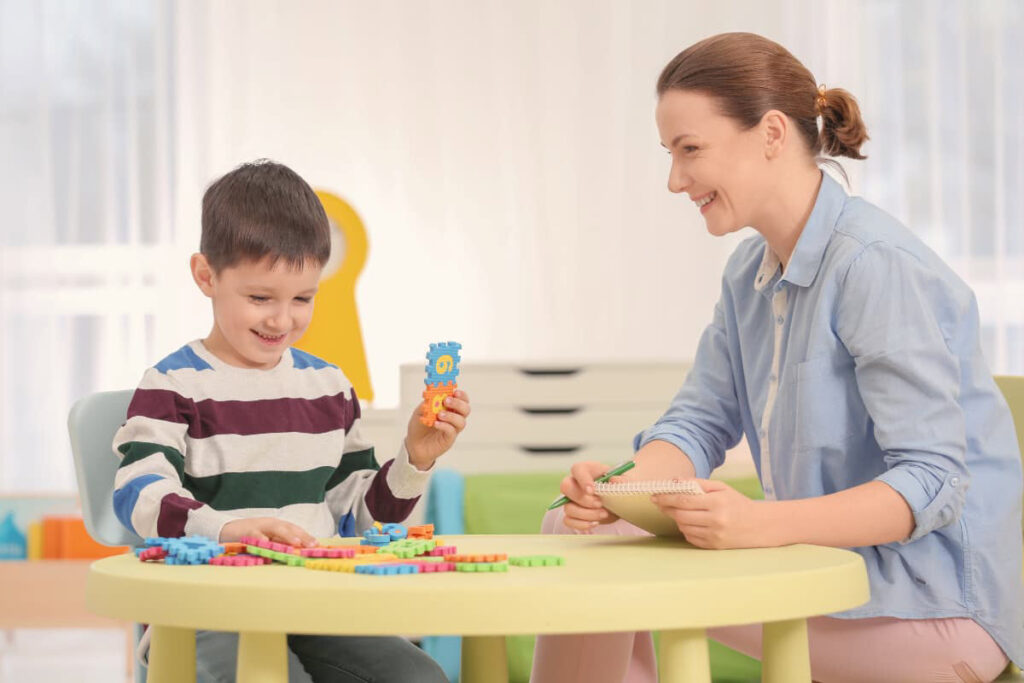
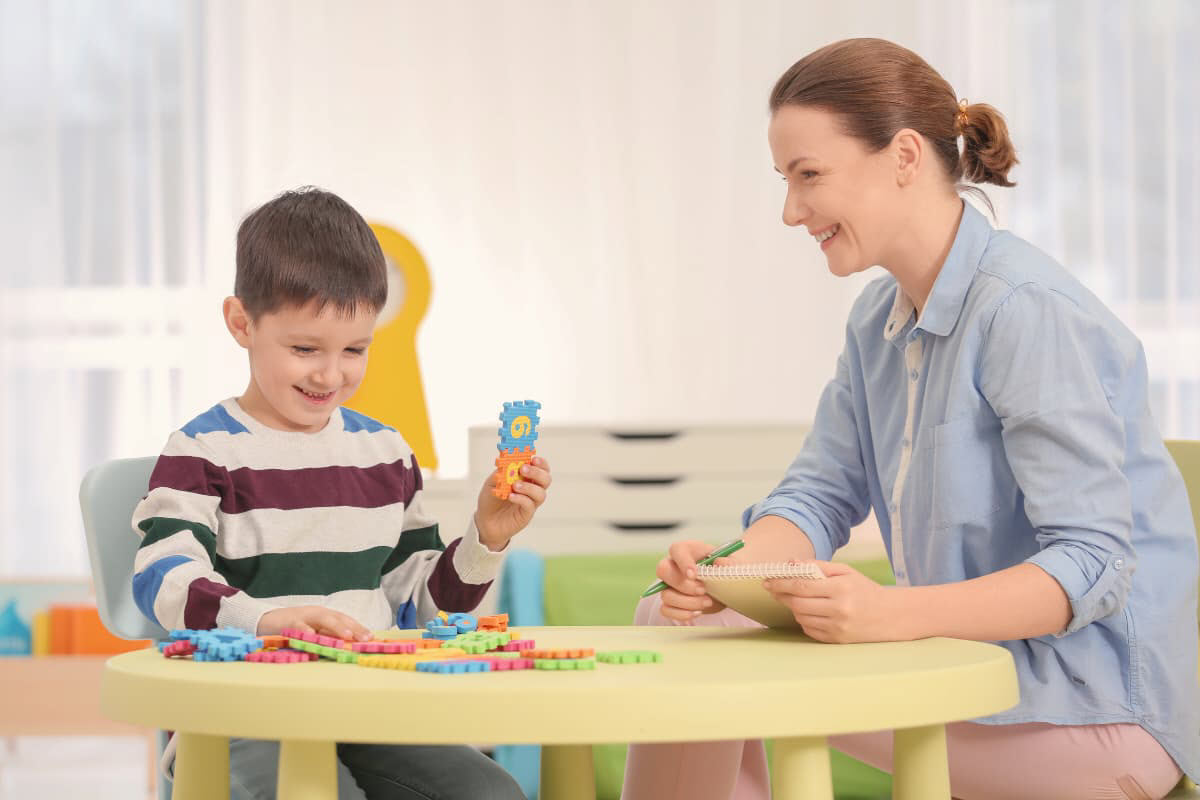
 When families begin looking into behavioral support services, one phrase comes up often: individualized care.
But for many parents and caregivers, that term can feel vague. What does individualized behavioral support actually look like inside everyday life at home?
The reality is that meaningful behavioral support is not about forcing every child into the same routine or approach. Every child has different communication styles, comfort levels, routines, and ways of responding to change. What feels supportive for one child may feel overwhelming or ineffective for another.
At AWC Behavioral Health, individualized support means creating care that works with the child’s environment, routines, and family dynamics rather than expecting the child to adapt to a rigid system.
Understanding the child’s everyday environment
Home-based behavioral support becomes more meaningful when care is built around real daily life.
That includes understanding things like:
- Daily routines and transitions
- Preferred ways of communicating
- Environmental stressors
- Familiar calming strategies
- Family schedules and responsibilities
- Areas where additional structure may help support the household
Support tends to feel more natural and sustainable when it aligns with the child’s actual environment instead of following a one-size-fits-all approach.
Why consistency matters in behavioral support
For many families, consistency plays a major role in creating a more comfortable home environment.
Predictable routines, familiar caregivers, and structured support can help daily activities feel more manageable over time. This is why caregiver matching and reliable scheduling are important parts of individualized behavioral support.
The goal is not to create perfection. The goal is to create support that feels steady, respectful, and realistic for everyday life.
Behavioral support should include the family too
Behavioral support does not only affect the child. Families are often balancing school schedules, appointments, responsibilities, work, and daily routines all at once.
Strong support systems recognize that helping the child also means helping create more stability for the family as a whole.
This may include:
- Encouraging more consistent routines
- Supporting smoother daily transitions
- Improving communication between care teams and families
- Helping reduce stress around recurring challenges
- Creating structure that feels manageable at home
Support should feel collaborative, not overwhelming.
Reliable care requires reliable systems
Quality behavioral support also depends on strong communication and accountability behind the scenes.
Families and referral partners deserve confidence that care is being properly documented, schedules are being maintained consistently, and services are being coordinated clearly.
Tools such as Electronic Visit Verification (EVV), organized documentation practices, and dependable communication systems help support a more reliable care experience for everyone involved.
Personalized support looks different for every family
There is no single definition of what successful support should look like for every child or household.
The most effective behavioral support plans are often the ones that remain flexible enough to adapt while still creating consistency where it matters most.
At AWC Behavioral Health, we believe behavioral support should feel individualized, respectful, and connected to the realities of daily life at home.
If your family is looking for more personalized behavioral support that feels consistent, thoughtful, and built around real daily life, connect with AWC Behavioral Health to schedule a free assessment at (561) 931-3837 or info@awcbehavioralhealth.com. You can also visit us at 370 Camino Gardens Blvd Ste 201B, Boca Raton, FL 33432.