
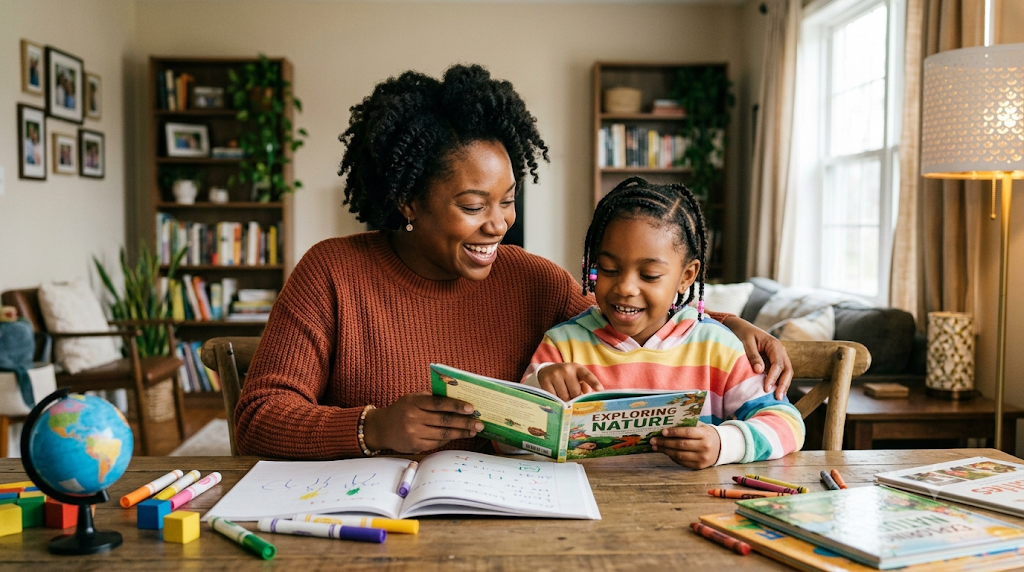
Simple Ways Parents Can Support Learning Beyond the Classroom
Learning does not only happen during school hours. While classrooms provide important opportunities for children to gain knowledge and practice new skills, many everyday moments at home can also support learning, confidence, and independence. Parents and caregivers play an important role by creating environments where children can explore, ask questions,
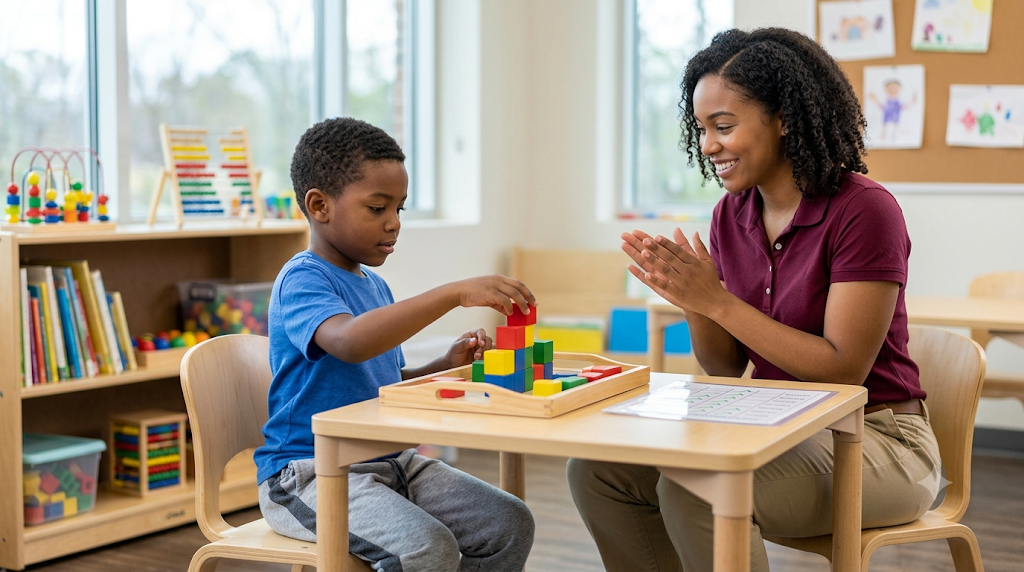
What Does Meaningful Progress Look Like in ABA Therapy?
When families begin ABA therapy, one of the first questions they often ask is, “How will I know if my child is making progress?” It’s a thoughtful question, and the answer may look different for every child. Meaningful progress isn’t about reaching a specific milestone by a certain date or
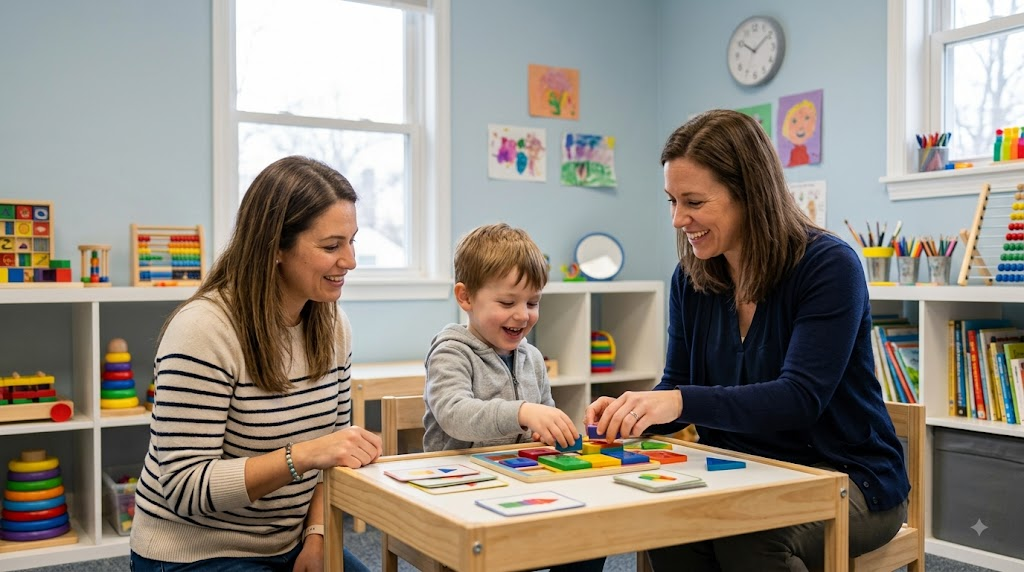
The Value of Consistency in Your Child’s Therapy Journey
When families begin a therapy journey, one of the most important factors in creating a positive experience is consistency. Consistency does not mean every day will look exactly the same or that progress will happen in a specific timeline. Instead, it means creating a reliable support system where children, families,

Finding the Right Therapy Matters More Than Finding the Fastest Option
When families begin searching for therapy services for their child, it is natural to want support as quickly as possible. Finding help feels important, especially when parents are looking for guidance, resources, and a team they can trust. However, choosing therapy is not only about how soon services can begin.
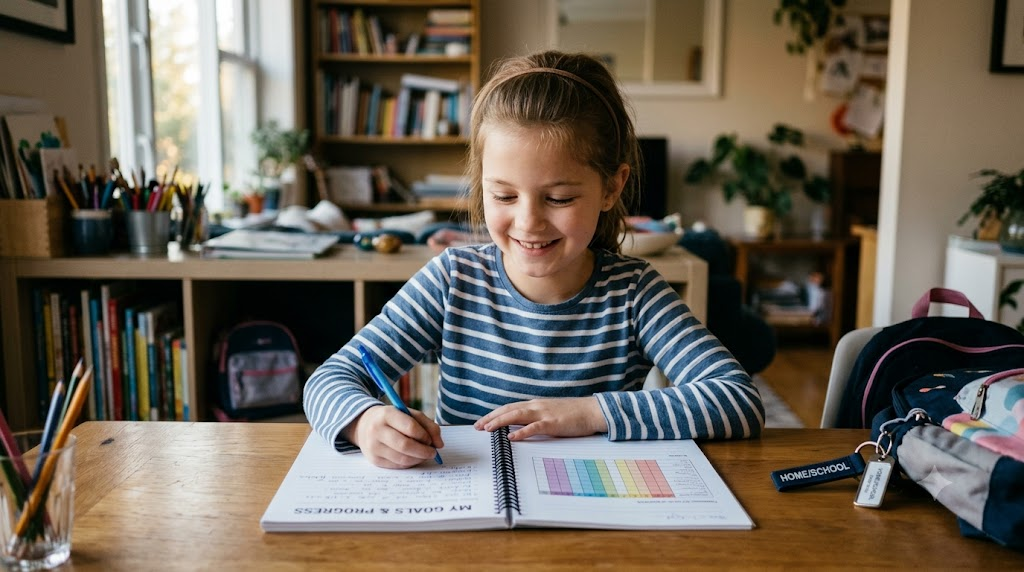
How Therapy Goals Can Support Everyday Life at Home and School
When families begin therapy services for their child, they often wonder how therapy goals connect to everyday life. While therapy sessions provide important opportunities to learn and practice skills, the ultimate goal is often to support children in the environments where they spend the most time, including home, school, and
Why Some Children Need Support Beyond the Therapy Room
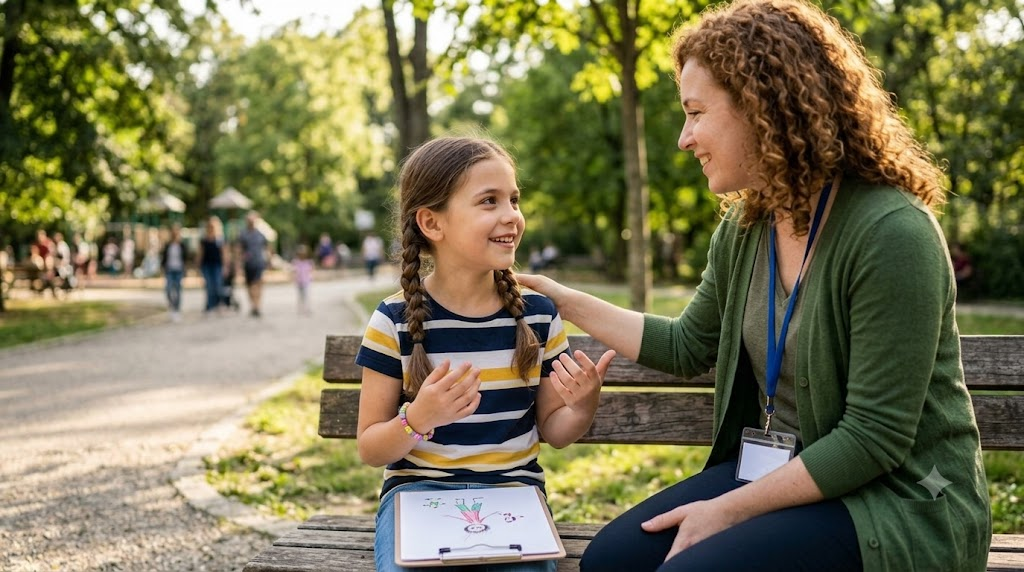
Therapy sessions are an important opportunity for children to learn and practice new skills. However, much of a child’s day takes place outside of those sessions—at home, at school, in the community, and during everyday family activities. Because learning happens throughout the day, many children benefit from consistent support across