

How to Help Your Child Transition Back to School Without Added Stress
The back-to-school season is an exciting time for many families, but it also comes with changes in routines, schedules, and expectations. After weeks of summer activities, later bedtimes, and more flexible days, returning to the structure of the school year can take time for children to adjust. The good news

When Should Parents Step In and When Should They Step Back?
As parents, it’s natural to want to protect your child from disappointment, frustration, or failure. Whether they’re struggling with a homework assignment, navigating a disagreement with a friend, or learning a new skill, the instinct to step in often comes from a place of love. But there are also moments

How to Help Children Talk About Big Feelings
Every child experiences a wide range of emotions as they grow. Excitement, disappointment, frustration, worry, and sadness are all a natural part of learning about the world and building relationships. For many children, putting those feelings into words can take time and practice. As parents and caregivers, one of the

Helping Children Adjust When Summer Routines Change
Summer often brings a welcome break from the school year, but it also introduces changes to daily routines. Bedtimes may shift, family schedules become more flexible, vacations are planned, and familiar school activities pause for several weeks. While these changes can be exciting, adjusting to a different routine can take

How to Keep Children Engaged Without Over-Scheduling Their Summer
Summer often brings a welcome change of pace for families. School routines pause, calendars become more flexible, and children have more opportunities to explore their interests. With so much free time, it can be tempting to fill every week with camps, activities, and outings. While these experiences can be valuable,
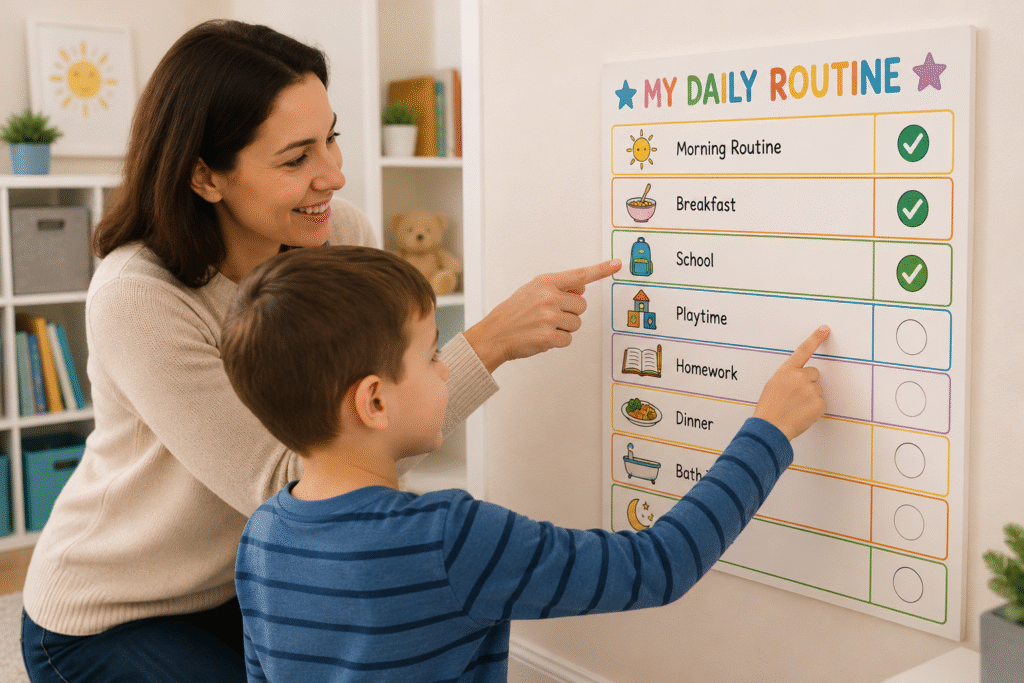
The Importance of Structure and Predictability for Children
Every child benefits from having a sense of what to expect throughout the day. Whether it’s a morning routine before school, a familiar bedtime schedule, or knowing what comes next during daily activities, structure can help create a greater sense of comfort and stability for children as they navigate everyday