
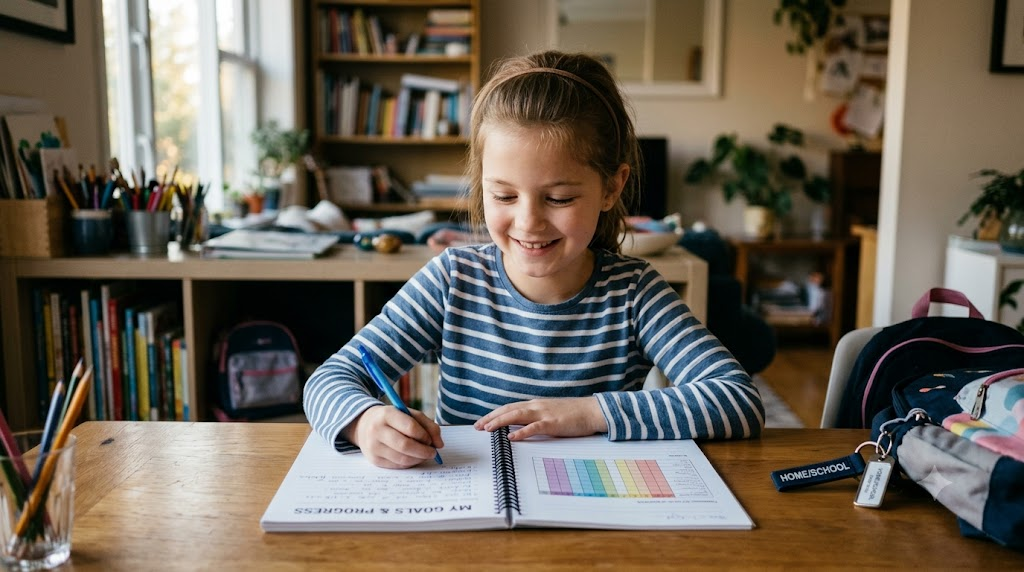
When families begin therapy services for their child, they often wonder how therapy goals connect to everyday life.
While therapy sessions provide important opportunities to learn and practice skills, the ultimate goal is often to support children in the environments where they spend the most time, including home, school, and the community.
Meaningful therapy goals are not just about what happens during a session. They are designed to connect with real-life experiences and help children participate more confidently in their daily routines.
What are therapy goals?
Therapy goals are personalized areas of focus that help guide the support process.
Every child has different strengths, interests, routines, and areas where they may benefit from additional support. Because of this, therapy goals should be created around the child’s individual needs and the priorities that matter most to the family.
Examples of everyday goals may include:
- Increasing independence with daily routines
- Strengthening communication skills
- Practicing social interactions
- Building confidence with new activities
- Improving participation in everyday tasks
The purpose of therapy goals is to create meaningful support that connects to a child’s daily life.
Connecting therapy skills to home routines
Children spend a large part of their day outside of therapy sessions.
Home routines provide many natural opportunities for children to practice skills in familiar environments.
For example, everyday activities such as:
- Getting ready in the morning
- Following a bedtime routine
- Helping with household activities
- Participating in family conversations
- Making simple choices throughout the day
can become opportunities to practice skills that support independence and confidence.
When therapy goals connect to daily routines, learning can feel more natural and relevant.
Supporting success at school
School environments involve many different experiences, including following classroom routines, interacting with teachers and classmates, and participating in learning activities.
Therapy goals can help children practice skills that support their participation in school settings.
This may include working on areas such as:
- Following classroom expectations
- Communicating needs appropriately
- Participating in group activities
- Building independence with school routines
- Navigating changes throughout the school day
The focus is on helping children use their skills in ways that are meaningful to their everyday experiences.
Why family involvement matters
Parents and caregivers provide valuable insight into their child’s daily life.
By sharing observations, routines, and family priorities, parents help therapy teams understand what goals are most meaningful outside of sessions.
Family involvement may include:
- Communicating with the therapy team
- Practicing strategies during everyday activities
- Sharing progress and challenges
- Identifying goals that matter most at home
A collaborative approach helps create consistency between therapy, home, and school environments.
Progress happens through everyday moments
Meaningful progress is not only seen during therapy appointments.
It can also be reflected in everyday moments, such as a child completing a familiar routine with more confidence, communicating more effectively, or participating more comfortably in daily activities.
Every child’s progress looks different, and small steps can be an important part of long-term growth.
Creating support that fits real life
The most effective therapy goals are connected to the child’s world.
By focusing on skills that support everyday experiences at home, school, and in the community, therapy can become a meaningful part of a child’s overall development.
At AWC Behavioral Health, we believe personalized support begins by understanding each child’s unique strengths, routines, and family goals. Our team works alongside families to create individualized ABA therapy and behavioral support plans that connect learning to real-life experiences.
If you’re looking for behavioral support services tailored to your child’s needs, connect with AWC Behavioral Health to schedule a free assessment at (561) 931-3837 or info@awcbehavioralhealth.com. You can also visit us at 370 Camino Gardens Blvd Ste 201B, Boca Raton, FL 33432.