



Communication Skills
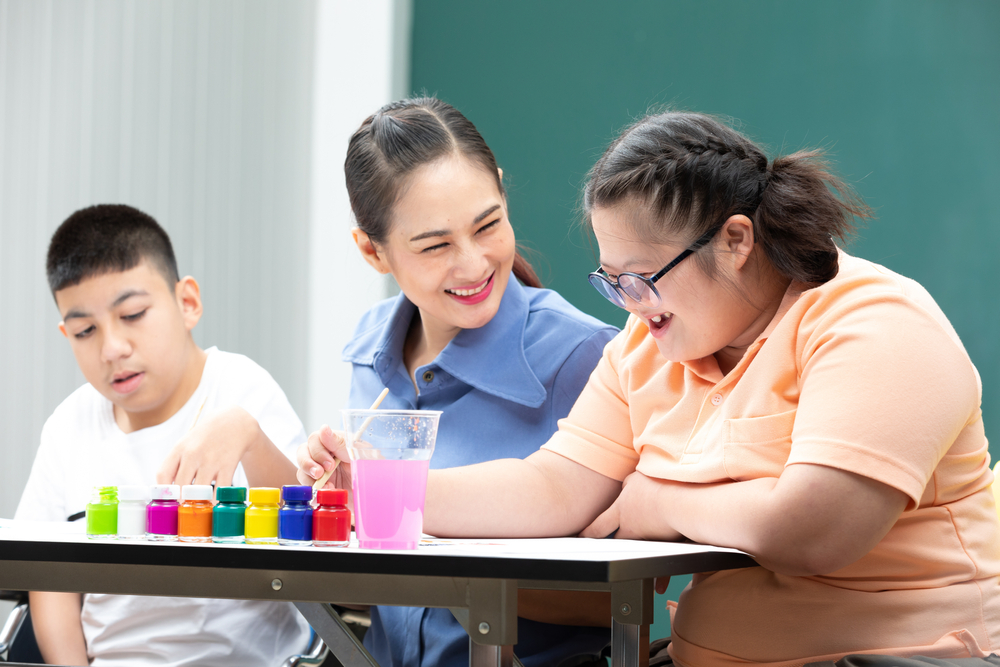
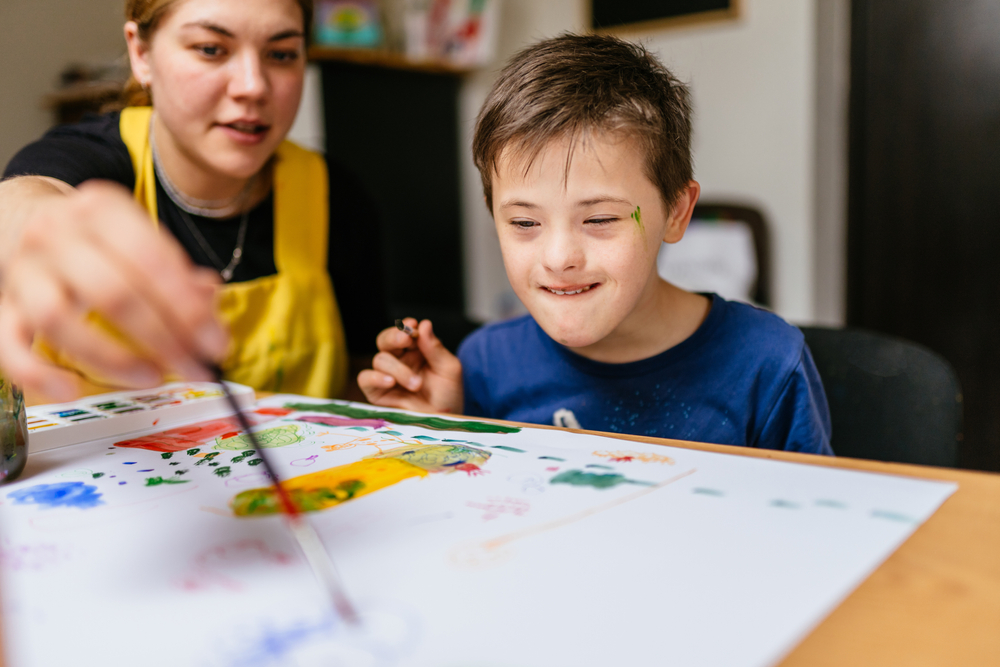
Communication is one of the most important developmental areas for young children. We support expressive language, receptive language, gestures, early vocalization, picture communication systems, and the use of assistive technology when needed. Our therapists teach children how to express wants, understand directions, respond to others, and communicate in ways that reduce frustration. Strong communication skills also help children build relationships, engage in play, and participate more successfully in learning environments.
Play Skills
Play is a primary way that children learn and interact with the world. We help children build play skills such as imitation, turn-taking, exploring toys, pretend play, and engaging with peers or adults. Play-based learning enhances creativity, communication, and cognitive development. Our approach uses structured and naturalistic teaching to help children expand their play abilities while creating more meaningful interactions.

Social Development
Social skills are essential for forming connections and participating in group environments. Early intervention behavioral therapy focuses on building foundational social skills such as eye contact, joint attention, responding to name, sharing, social imitation, and early cooperative play. We help children understand how to interact with others, recognize emotions, follow group routines, and enjoy positive social experiences. These skills create a strong foundation for future school readiness and long-term social success.

Behavior Support
Many young children with developmental delays or autism experience challenging behaviors because they have difficulty communicating needs or understanding expectations. We use evidence-based strategies to teach replacement behaviors, support emotional regulation, reduce tantrums, and help children follow routines more easily. Our approach emphasizes proactive strategies, structured environments, and positive reinforcement to encourage healthy behavior patterns that support learning and daily participation.

Cognitive and Learning Readiness Skills
Early cognitive skills include problem solving, early matching, attention to tasks, following instructions, imitation, early academic concepts, and participating in structured learning interactions. We help children strengthen these skills through individualized instruction that gradually increases learning expectations as the child progresses. By building cognitive readiness early, we prepare children for future academic success and smoother transitions into preschool or structured educational settings.
Parent Training and Coaching
We provide parents with clear guidance on how to reinforce skills, manage challenging behaviors, and support communication development. Parent coaching sessions include demonstrations, hands-on practice, and step-by-step strategies that make learning accessible and practical. When families understand how to support their child’s growth, progress accelerates and becomes more consistent across all settings.
Collaborative Goal Setting
Parents play a key role in setting goals for early intervention behavioral therapy. We take the time to understand a child’s daily challenges, family priorities, and long-term developmental needs. This collaboration ensures that every goal is meaningful, functional, and connected to the child’s real-life experiences.
Ongoing Communication and Support
We maintain open communication with families through regular progress updates, feedback sessions, and opportunities to make adjustments to treatment plans. This support allows parents to stay informed, confident, and engaged in every step of their child’s developmental journey.
Stronger Communication and Social Skills
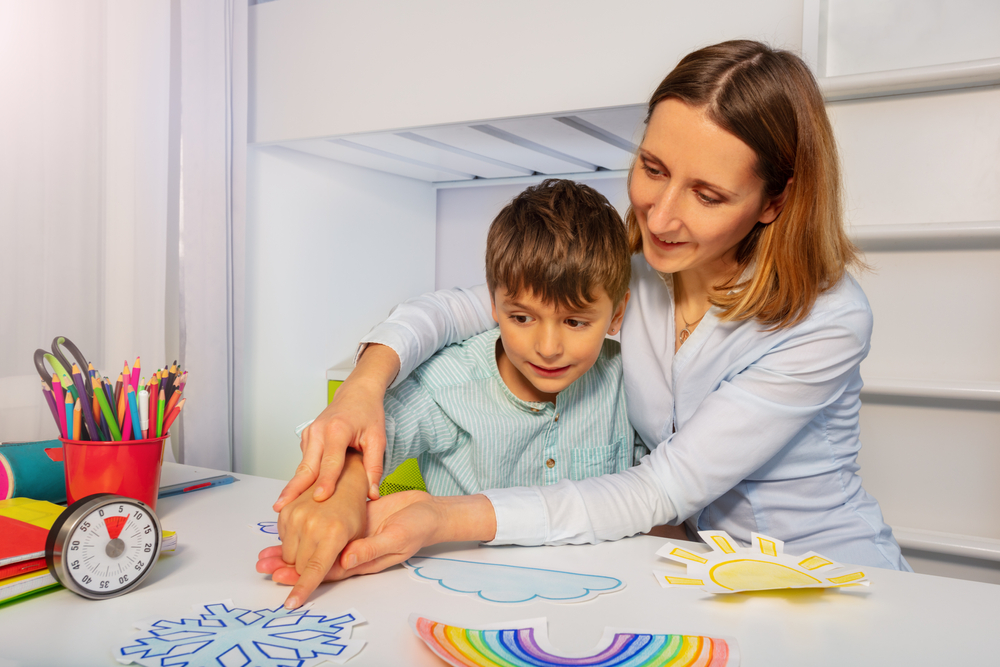
Children who receive early autism treatment often develop communication and social abilities more quickly than those who begin services later. Early support helps children understand how to interact, express themselves, and build meaningful relationships.
Reduced Challenging Behavior
When children learn to communicate, follow routines, and understand expectations, challenging behaviors naturally decrease. Early behavioral strategies help children build emotional regulation skills that benefit them throughout life.
Improved Learning Readiness
Early developmental support strengthens foundational learning skills that prepare children for school. By building attention, imitation, problem-solving, and early academic concepts, children enter educational environments with greater confidence and ability.

Greater Independence
As children build communication, cognitive skills, and daily living skills, they gain higher levels of independence and participate more fully in family routines and community activities.
Long-Term Developmental Gains
Studies consistently show that children who receive early intervention have better long-term outcomes in communication, academic performance, social relationships, and adaptive functioning. With the right support, children build a foundation that positively influences their entire developmental journey.