

Social skills training

circle pattern
Social skills training

Social Skills Training for Children with Special Needs

At AWC Behavioral Health, we provide social skills training for special needs children to help them develop the communication, emotional, and interpersonal skills needed to connect with others successfully. Many children with autism or developmental delays struggle with social interactions because these skills do not always develop naturally. Challenges such as difficulty reading social cues, initiating play, managing emotions, or understanding the perspectives of others can make daily interactions overwhelming. Our goal is to support children as they build the social foundation they need for meaningful relationships, academic success, and improved confidence. Through structured methods, individualized instruction, and compassionate guidance, our social skills therapy programs help children navigate social environments with clarity and comfort.
Common Challenges

Why Social Skills Matter and Common Challenges

Strong social skills are essential for forming friendships, participating in group activities, communicating effectively, and understanding how to behave in different environments. For children with autism or other developmental needs, social skills often require direct teaching and targeted practice. Difficulties in these areas may look like avoiding interaction, interrupting others, struggling to share or take turns, or becoming frustrated during group activities. Without support, these challenges can limit a child’s ability to connect with peers and participate in school or community settings. Our social skills training programs are designed to address these obstacles directly. We help children learn how to communicate clearly, respond appropriately, manage emotions, and build positive relationships. By developing these core skills early, children gain confidence and resilience that benefit them throughout life.
square pattern
Social Skills Training Programs

Skills Taught in Our Social Skills Training Programs

Our structured programs focus on the essential social skills that support successful interactions across home, school, and community settings. Using evidence-based techniques and communication skills autism strategies, we tailor instruction to each child’s developmental level and learning style.
discussion

Conversation Skills

Conversational ability is key to social success. We teach children how to start conversations, maintain back-and-forth exchanges, ask questions, share interests, and listen actively. Many children with developmental needs have difficulty understanding the rhythm of conversation. We provide clear examples, role play opportunities, and step-by-step guidance to help them build these foundational communication skills.
behavior

Play and Cooperation Skills

Play is one of the earliest and most important ways children learn to interact with others. Our programs help children develop the skills needed for cooperative play, such as turn-taking, sharing, following play rules, and joining group activities. We also focus on imaginative play, structured games, and peer interaction strategies that help children feel more confident and engaged in social situations. Strong play skills support friendships, early academic skills, and emotional development.
behavioral

Emotional Regulation

Children with special needs often struggle to recognize and manage emotions. We teach emotional awareness, coping strategies, and self-regulation skills that help children navigate challenging moments. Our therapists use visual supports, social stories, modeling, and practice opportunities to help children recognize feelings in themselves and others. As children build emotional regulation skills, social interactions become less stressful and more successful.
cognitive

Perspective Taking

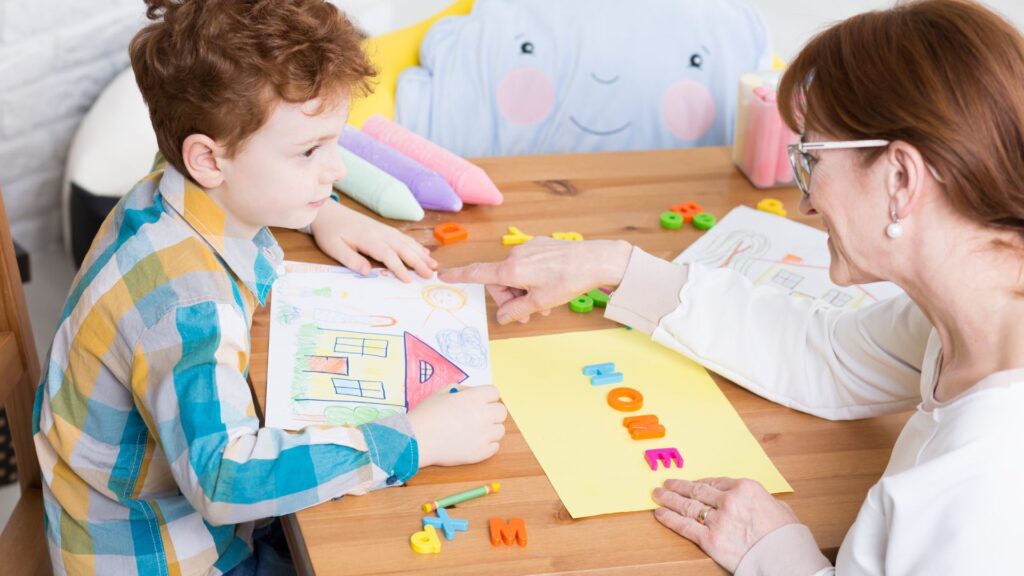
Perspective taking involves understanding how others think, feel, or experience a situation. Many children with autism or developmental delays find this concept difficult. Through structured lessons and guided practice, we help children learn how to interpret body language, facial expressions, and social cues. We teach them how to consider another person’s point of view, respond appropriately, and adjust behavior based on the social context. These skills are essential for building empathy and maintaining healthy relationships.
social skills therapy

Group vs Individual Training

We offer both group and individual social skills therapy options to ensure every child receives instruction that best fits their needs and comfort level.

social skills therapy

Individual Social Skills Training

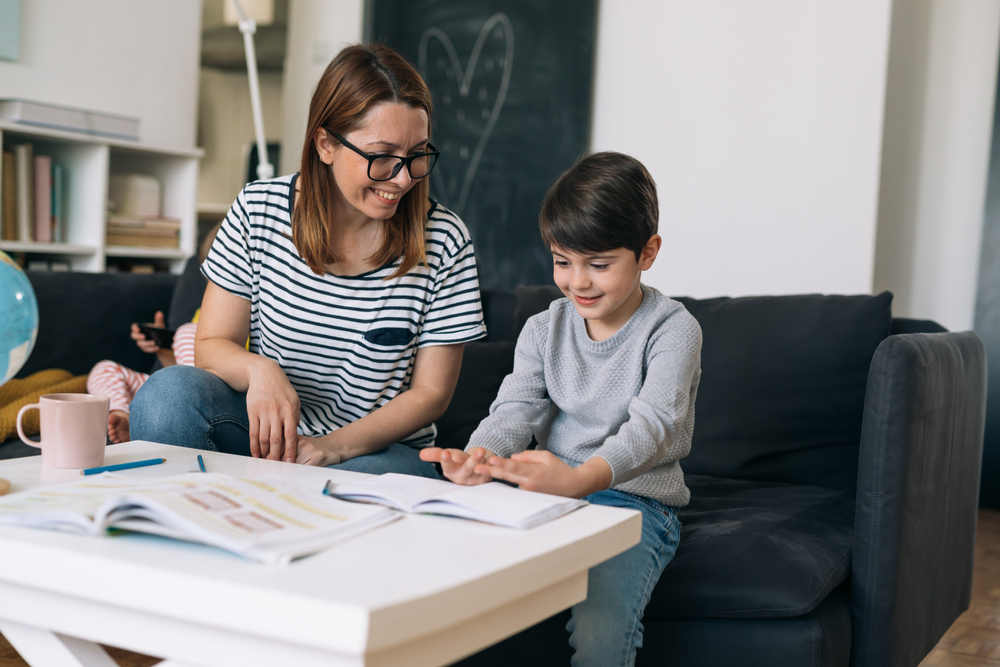
Individual sessions provide one-on-one instruction that allows therapists to focus closely on the child’s specific needs. This format is ideal for children who may feel overwhelmed in group settings or require targeted teaching before joining a peer group. Individual training helps children build foundational skills at their own pace with personalized support.

square pattern
social skills therapy

Group Social Skills Training

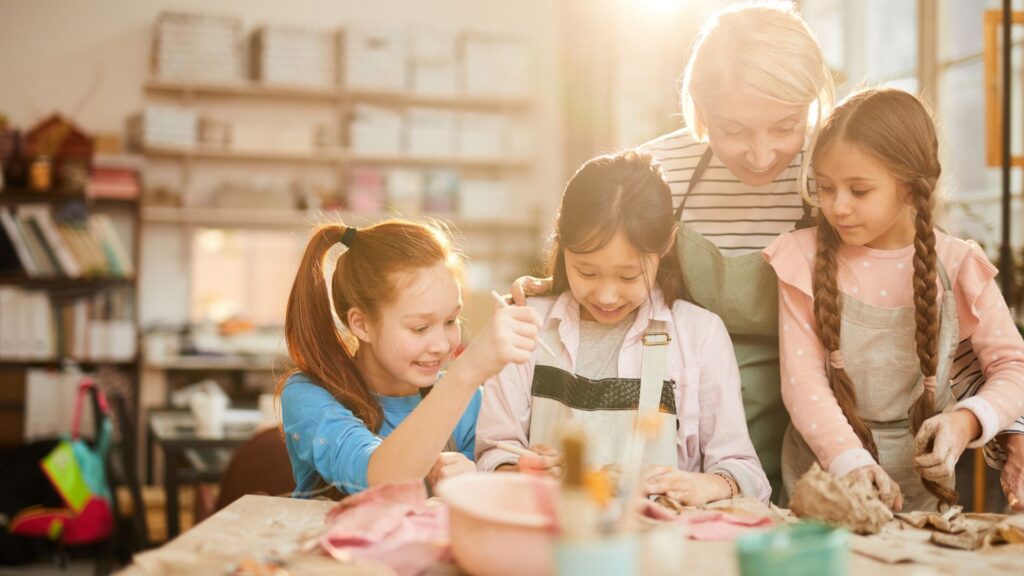
Group programs allow children to practice skills directly with peers in a supportive, structured environment. This setting is ideal for practicing communication, cooperative play, emotional regulation, and real-time social interaction. Group sessions often include activities such as games, role play, conversation circles, and collaborative tasks that help children build confidence and form positive peer relationships. Group training also provides natural opportunities for feedback and learning from others.

We work with families to determine whether group, individual, or a combination of both approaches will best support their child’s progress.

Social Skills Training Programs

Real World Practice Opportunities

Social skills are most effective when they can be used consistently in everyday environments. Our programs emphasize real-world practice to ensure children develop strong and functional social abilities that extend beyond therapy sessions.

skill

Practice in School Settings

We help children prepare for classroom routines, peer interactions, group learning, and cooperative activities. By building communication and emotional regulation skills, children can engage more positively with teachers and classmates. When appropriate, we collaborate with school teams to support generalization of skills.
family 1

Home-Based Social Skills

Children often practice social skills with siblings, parents, and caregivers. We provide strategies for families to reinforce skills at home during daily routines such as meals, playtime, and conversations. Consistency across environments accelerates progress and helps children feel more confident.

discussion

Community-Based Learning

Community environments provide valuable opportunities for real-world social development. We help children practice greetings, waiting in line, participating in group activities, interacting in public spaces, and managing transitions. These experiences help children apply skills naturally and comfortably outside the therapy setting.

cognitive

Peer Interaction Opportunities

Whenever possible, we create opportunities for children to interact with peers, either within structured groups or informal social settings. These experiences enhance communication skills, build friendship opportunities, and support emotional growth.

NEED HELP?

Enroll in Social Skills Training

If your child could benefit from stronger communication, improved peer interactions, or greater confidence in social situations, our social skills training for special needs children can help. At AWC Behavioral Health, we are dedicated to helping children develop the skills they need to connect with others, build friendships, and succeed in everyday environments. Contact us today to learn more about our social skills therapy programs and begin your child’s journey toward meaningful social growth and independence.