
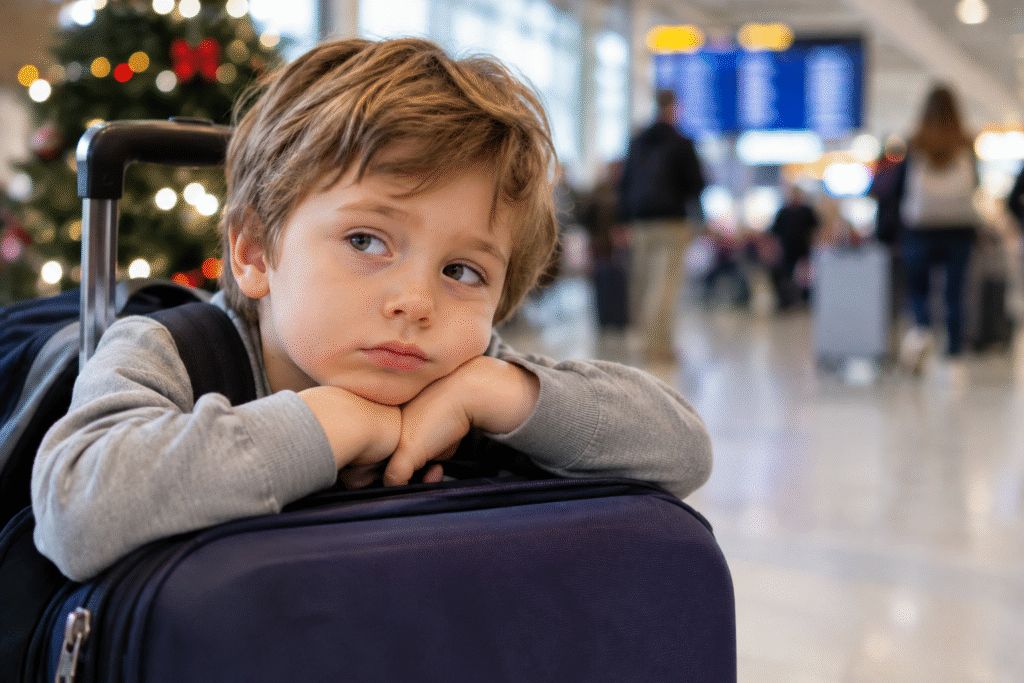
Holiday travel can be exciting for families. Whether you’re visiting relatives, taking a road trip, or spending the holidays somewhere new, traveling creates opportunities to make memories together.
However, changes in routine, unfamiliar environments, long journeys, and busy schedules can also make travel challenging for some children.
For parents, understanding what may make holiday travel difficult can help them prepare ahead and create a more comfortable experience for the entire family.
The goal isn’t to make every part of the trip perfect. It’s to help children feel prepared, included, and supported throughout the journey.
Why Holiday Travel Can Be Challenging for Children
Travel often changes several parts of a child’s everyday routine at once. Even exciting experiences can require adjustment.
Here are some common factors parents may want to consider.
1. Changes in Familiar Routines
Children often become familiar with everyday patterns, such as regular meal times, bedtime routines, and scheduled activities.
During holiday travel, these patterns may change. Waking up earlier, eating at different times, or sleeping somewhere unfamiliar can make the day feel less predictable.
How parents can help:
- Maintain familiar bedtime habits whenever possible.
- Keep regular meal and snack times in mind.
- Bring familiar items from home.
- Explain schedule changes before they happen.
Keeping a few familiar routines can help children feel more prepared while away from home.
2. Unfamiliar Places and Environments
Staying in a hotel, visiting relatives, or exploring a new destination introduces children to unfamiliar surroundings.
Different sounds, people, sleeping arrangements, and activities may take time to get used to.
How parents can help:
- Show children pictures of the destination before traveling.
- Explain where everyone will sleep and spend time.
- Bring a favorite toy, blanket, or familiar activity.
- Allow time to explore the new environment.
Giving children opportunities to become familiar with their surroundings can make new experiences feel less overwhelming.
3. Long Travel Times and Limited Activities
Long car rides, airport waiting periods, and extended travel schedules can be difficult when children have fewer opportunities to move around or engage in familiar activities.
Without preparation, children may become tired, bored, or frustrated during the journey.
How parents can help:
- Prepare a small travel activity bag.
- Bring books, coloring materials, or quiet games.
- Plan appropriate breaks during long drives.
- Pack familiar snacks and drinking water.
- Allow extra time for unexpected delays.
A little preparation can make long travel periods easier to manage.
4. Busy Holiday Schedules
Holiday trips often include family gatherings, celebrations, shopping, sightseeing, and multiple social activities.
While these experiences can be enjoyable, having too many activities scheduled close together may leave children with limited time to rest.
How parents can help:
- Avoid scheduling too many activities in one day.
- Include quiet breaks between events.
- Allow children time for familiar activities.
- Be flexible when plans need to change.
Remember that a successful holiday doesn’t require participating in every activity.
5. Different Expectations Around Family Gatherings
Holiday visits may involve meeting relatives, interacting with unfamiliar people, sharing spaces, and participating in family traditions.
Children may need time to become comfortable with new social situations and expectations.
How parents can help:
- Talk about who they will meet.
- Explain basic expectations before arriving.
- Avoid pressuring children to interact immediately.
- Give them opportunities to take breaks when needed.
- Respect their individual comfort levels.
Preparing children for social situations can help them understand what to expect without feeling pressured.
How to Prepare Your Child Before Holiday Travel
Planning ahead can make a meaningful difference in how families approach holiday travel.
Here are practical steps to consider before leaving home.
Create a Simple Travel Schedule
Children may feel more prepared when they know what will happen next.
Create a simple itinerary that includes departure times, travel periods, planned activities, and rest breaks.
You can use pictures or a checklist to make the schedule easier to understand.
Involve Your Child in Packing
Let children participate in preparing their own travel essentials.
Depending on their age and abilities, they can help choose:
- Favorite toys or comfort items
- Books and activities
- Comfortable clothing
- Personal hygiene items
- Snacks for the journey
Giving children small responsibilities can help them feel included and prepared.
Prepare for Changes Ahead of Time
Talk about anything that will be different during the trip.
Explain where you’re going, how you’ll get there, who you’ll visit, and what activities are planned.
Keep explanations simple and give children opportunities to ask questions.
Make Room for Rest
Travel can be tiring for both children and adults.
Try to balance activities with downtime, especially during multi-day trips. Familiar bedtime routines, quiet activities, and opportunities to relax can help children settle into a different environment.
What If Travel Plans Change Unexpectedly?
Even the most carefully planned trips can involve delays, cancellations, weather changes, or unexpected schedule adjustments.
When plans change, explain what happened using simple and reassuring language.
For example:
“Our flight is delayed, so we’ll wait a little longer before boarding. We can read a book while we wait.”
Offering an alternative activity and explaining what happens next can help children understand the change.
Flexibility is important because not everything during holiday travel will go according to plan.
Making Holiday Travel a More Positive Family Experience
Holiday travel doesn’t have to be perfectly organized to be meaningful.
Children may need additional preparation, familiar routines, and opportunities to adjust to new experiences. By understanding what could make travel challenging and planning ahead, parents can create a more supportive experience for everyone.
At AWC Behavioral Health, we understand that everyday transitions and changes in routine can be important areas of support for children and families. Our team works alongside parents to explore personalized behavioral support approaches that recognize each child’s strengths, needs, and everyday experiences.
If you’re looking for behavioral support services tailored to your child’s needs, connect with AWC Behavioral Health to schedule a free assessment at (561) 931-3837 or info@awcbehavioralhealth.com. You can also visit us at 370 Camino Gardens Blvd Ste 201B, Boca Raton, FL 33432.