
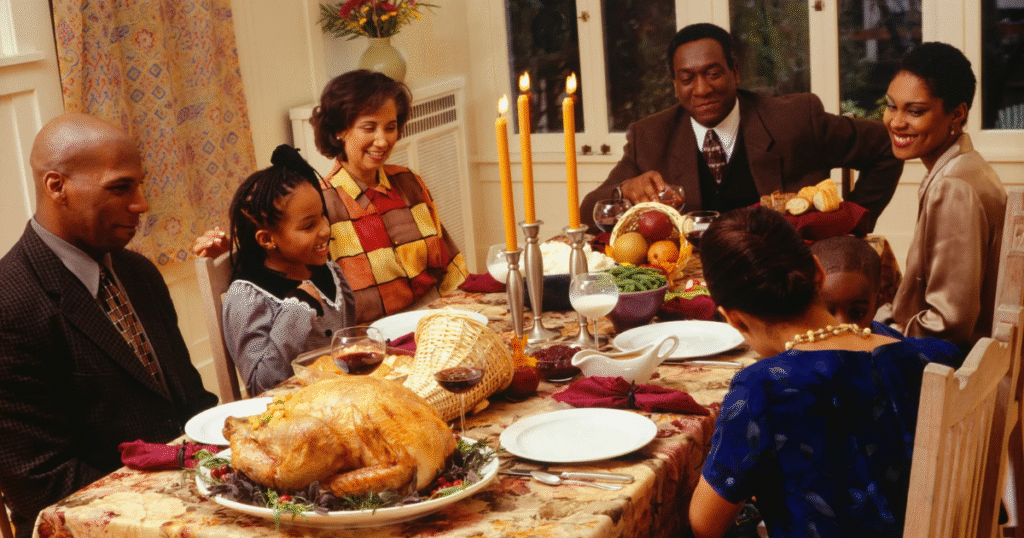
Thanksgiving is a time for family, connection, and creating memories together. While preparing a holiday meal can keep parents and caregivers busy, it can also create meaningful opportunities for children to participate, learn everyday skills, and feel included in family traditions.
You don’t need to give your child a complicated task to make them part of the celebration. Simple activities, adjusted to their age, interests, and abilities, can help children contribute in ways that feel comfortable and rewarding.
Here are practical ways to involve children in Thanksgiving meal preparation while making the experience enjoyable for the whole family.
1. Give Children Simple, Age-Appropriate Tasks
Children can participate in meal preparation even if they aren’t ready to help with cooking.
Start with small responsibilities that match their abilities and comfort level. For younger children, this might mean placing napkins on the table or putting unbreakable plates in designated spots. Older children may be able to help measure ingredients or follow a simple recipe with adult supervision.
Other ideas include:
- Washing fruits and vegetables
- Placing ingredients in bowls
- Sorting utensils
- Arranging napkins
- Helping organize non-food supplies
These activities give children opportunities to participate in family routines while practicing everyday skills.
2. Let Children Make Simple Choices
Including children in decisions can help them feel that their contributions matter.
Instead of assigning every task, offer two manageable options. You might ask whether they would like to arrange the napkins or help set out the cups.
You can also invite them to choose between two side dishes, select a serving platter, or decide where decorations should go.
Offering simple choices encourages participation while allowing children to express their preferences.
3. Turn Meal Preparation Into a Learning Opportunity
Thanksgiving meal prep naturally involves counting, sorting, following directions, and organizing items.
You can incorporate these activities without making the kitchen feel like a classroom.
For example:
- Count how many plates are needed for the table.
- Sort utensils by type.
- Match serving spoons to the appropriate dishes.
- Follow a short checklist together.
- Group ingredients before beginning a recipe.
These everyday tasks provide opportunities for children to practice useful skills while spending time with family.
4. Use Clear Instructions and Predictable Steps
A busy kitchen can involve many activities happening at once. Clear instructions can help children understand what is expected of them.
Rather than giving several directions at the same time, break a task into smaller steps.
For example, instead of saying, “Get everything ready for the table,” try:
- Place the napkins on the table.
- Put one plate at each seat.
- Add the cups.
- Check the table together.
A simple visual checklist can also help children follow the steps and see what comes next.
5. Make Room for Different Ways to Participate
Not every child will enjoy the same activities, and that’s okay.
Some children may prefer hands-on tasks, while others may feel more comfortable helping with organization, choosing decorations, or checking items off a list.
If a task feels frustrating or uncomfortable, consider offering an alternative. The goal is to create opportunities for participation, not to require every child to complete the same activity.
A flexible approach helps families make room for different interests, preferences, and abilities.
6. Encourage Communication During Family Activities
Meal preparation provides natural opportunities for family members to communicate and work together.
Invite children to ask questions, request ingredients, share preferences, or tell you when they have finished a task.
You can model simple phrases such as:
- “Can you help me, please?”
- “I’m finished.”
- “What’s next?”
- “I need a little help.”
Children communicate in different ways, so make room for the communication methods that work best for your child.
7. Recognize Effort and Celebrate Participation
Children do not need to complete a task perfectly to make a meaningful contribution.
Acknowledge their effort, willingness to participate, and attempts to learn something new. Specific encouragement, such as “You helped organize all the napkins” or “Thank you for following the checklist,” lets children know that their contribution was noticed.
Keep expectations realistic, especially when the kitchen is busy. If a task takes longer than expected or needs adult assistance, treat it as part of the shared experience.
8. Keep Kitchen Safety a Priority
Involving children in Thanksgiving meal preparation requires appropriate supervision.
Keep children away from hot stovetops, ovens, sharp knives, and other hazards. Adults should handle tasks involving high temperatures and sharp tools unless a child is old enough and appropriately supervised to use a particular tool safely.
Choose safe, manageable activities and make sure children know which areas and items are off-limits.
Making Thanksgiving a Family Experience
Thanksgiving meal preparation doesn’t have to be something children simply watch from the sidelines. With thoughtful planning, clear instructions, and flexible expectations, families can create opportunities for children to participate in meaningful ways.
The most important part isn’t having a perfectly prepared meal. It’s making room for connection, shared responsibilities, and the small moments that help children feel included.
At AWC Behavioral Health, we recognize that everyday family activities can provide opportunities for children to practice meaningful skills. Our team works alongside families to explore personalized behavioral support that considers each child’s strengths, needs, and daily routines.
If you’re looking for behavioral support services tailored to your child’s needs, connect with AWC Behavioral Health to schedule a free assessment at (561) 931-3837 or info@awcbehavioralhealth.com. You can also visit us at 370 Camino Gardens Blvd Ste 201B, Boca Raton, FL 33432.